The Role of Physiotherapy in Improving Quality of Life Among Geriatric Patients: A Review
Keywords:
- Physiotherapy; Geriatric Rehabilitation; Quality of Life; Healthy Ageing; Functional Independence; Fall Prevention; Human-Based Clinical Evidence
Abstract
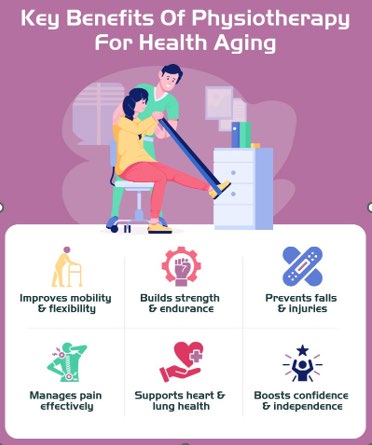
Aging of the population is now recognized to be one of the most challenging issues in world healthcare, with physical, functional, and psychological impairments associated with aging having a considerable negative impact on the quality of life of older adults. Physiotherapy has become the cornerstone of geriatric rehabilitation through enhanced mobility, reduced pain, improved balance, prevention of falls, and increased functional independence with the help of non-pharmacological methods proven effective by scientific evidence. Hence, the present review evaluates the existing literature on the basis of randomized controlled trials, cohort studies, observational studies, cross-sectional investigations, systematic reviews, and meta-analysis focused on the role of physiotherapy interventions in treatment of geriatric diseases such as osteoarthritis, stroke, Parkinson’s disease, osteoporosis, sarcopenia, frailty, and chronic musculoskeletal diseases. Contemporary approaches to physiotherapy, such as therapeutic exercise, resistance and balance training, gait rehabilitation, manual therapy, hydrotherapy, telerehabilitation, virtual reality-based rehabilitation, and technology-assisted physiotherapy are also reviewed in order to emphasize the benefits of these techniques for improving physical function, mental wellbeing, social participation, and quality of life in older patients. Existing scientific evidence shows that properly organized physiotherapy interventions lead to improvement of the functional ability, reduction of disability, decreased falls risk and contribute to healthy aging and independence. However, there are still a number of important knowledge gaps concerning the long-term effects of physiotherapy intervention, standardized rehabilitation protocols, personalized treatment strategies, and application of new digital rehabilitation technologies in practice. It is necessary to conduct well-designed multicenter human studies to fill in these gaps and increase evidence-based physiotherapy practice.