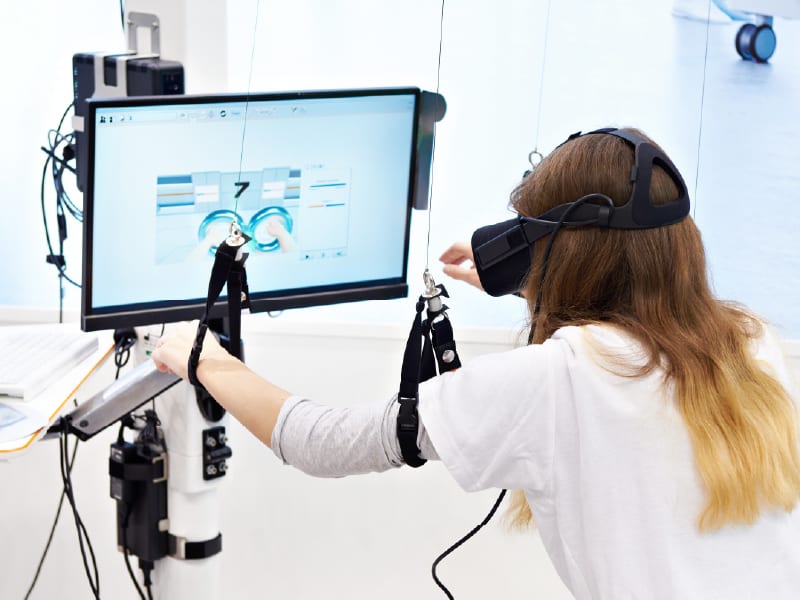
Virtual Reality-Based Rehabilitation in Physiotherapy Practice: A Systematic Review
Keywords:
- Virtual Reality, Physiotherapy, Rehabilitation, Virtual Reality Rehabilitation, Neurorehabilitation, Musculoskeletal Rehabilitation, Balance Training, Immersive Technology.
Abstract
Through immersive and interactive therapeutic treatments, virtual reality (VR), an emerging rehabilitation tool, improves physiotherapy. This systematic study assesses the efficacy, uses, advantages, and drawbacks of VR-based rehabilitation in neurological, musculoskeletal, paediatric, geriatric, and cardiopulmonary physiotherapy. According to the reviewed studies, VR increases therapy adherence with gamified workouts and real-time feedback while improving motor function, balance, gait, pain management, range of motion, and patient motivation. VR also facilitates telerehabilitation and home-based rehabilitation, increasing access to physiotherapy treatments. But issues including expensive equipment, inconsistent treatment guidelines, scant long-term data, and cybersickness still exist. Overall, VR is a useful addition to traditional physical therapy, and future developments in wearable technology and artificial intelligence are expected to substantially improve rehabilitation outcomes. Standardised clinical guidelines and ongoing high-quality research are necessary for its wider application in physiotherapy practice.