Necrotizing Fasciitis: Next-Generation Diagnostics, AI, Advanced Therapeutics, 3D Bioprinting, Microbial Pathogenesis to Machine Learning, Etiology, Epidemiology, Fight Against Flesh-Eating Disease Typ
Keywords:
- Necrotizing fasciitis (NF); Flesh-eating disease; Microbial pathogenesis; Artificial intelligence (AI); Machine learning (ML); Molecular diagnostics; Regenerative medicine; 3D bioprinting.
Abstract
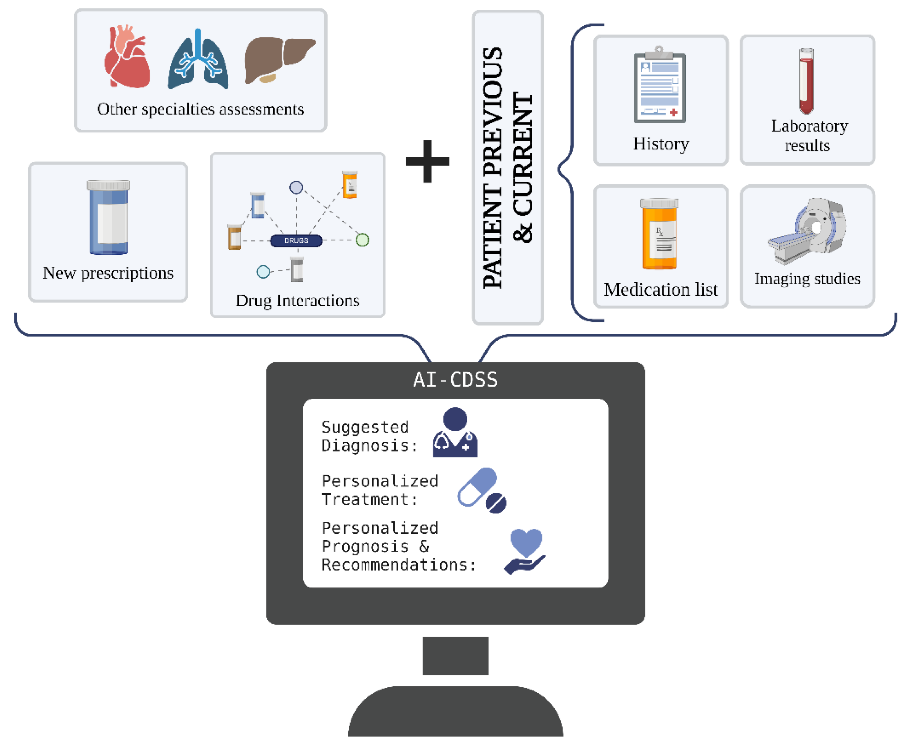
Necrotizing fasciitis (NF), popularly referred to as the “flesh-eating disease,” is a progressively advancing soft-tissue infection that causes massive tissue necrosis, systemic inflammatory response syndrome, and increased mortality rates. Even in the presence of advanced antimicrobial and surgical treatments, delayed diagnosis and antimicrobial resistance have been identified as significant barriers. This review describes the etiology, pathogenesis, epidemiology, and advances in the diagnosis and treatment of NF. The involvement of different causative pathogens like S. pyogenes, S. aureus, polymicrobial pathogens, and marine microorganisms has been discussed. The use of new methods using molecular diagnostics, artificial intelligence (AI), machine learning (ML), and advanced imaging techniques is considered to enhance early diagnosis and risk prediction. The treatment options include surgical debridement, antibiotics, and negative pressure wound therapy, along with potential future methods such as precision medicine, regenerative medicine, and three-dimensional (3D) bioprinting. Despite the promise of these technologies, several obstacles remain in their validation and implementation. Combining AI-based diagnostics with personalized treatment and regenerative technologies can become a promising area for enhancing the treatment of NF.